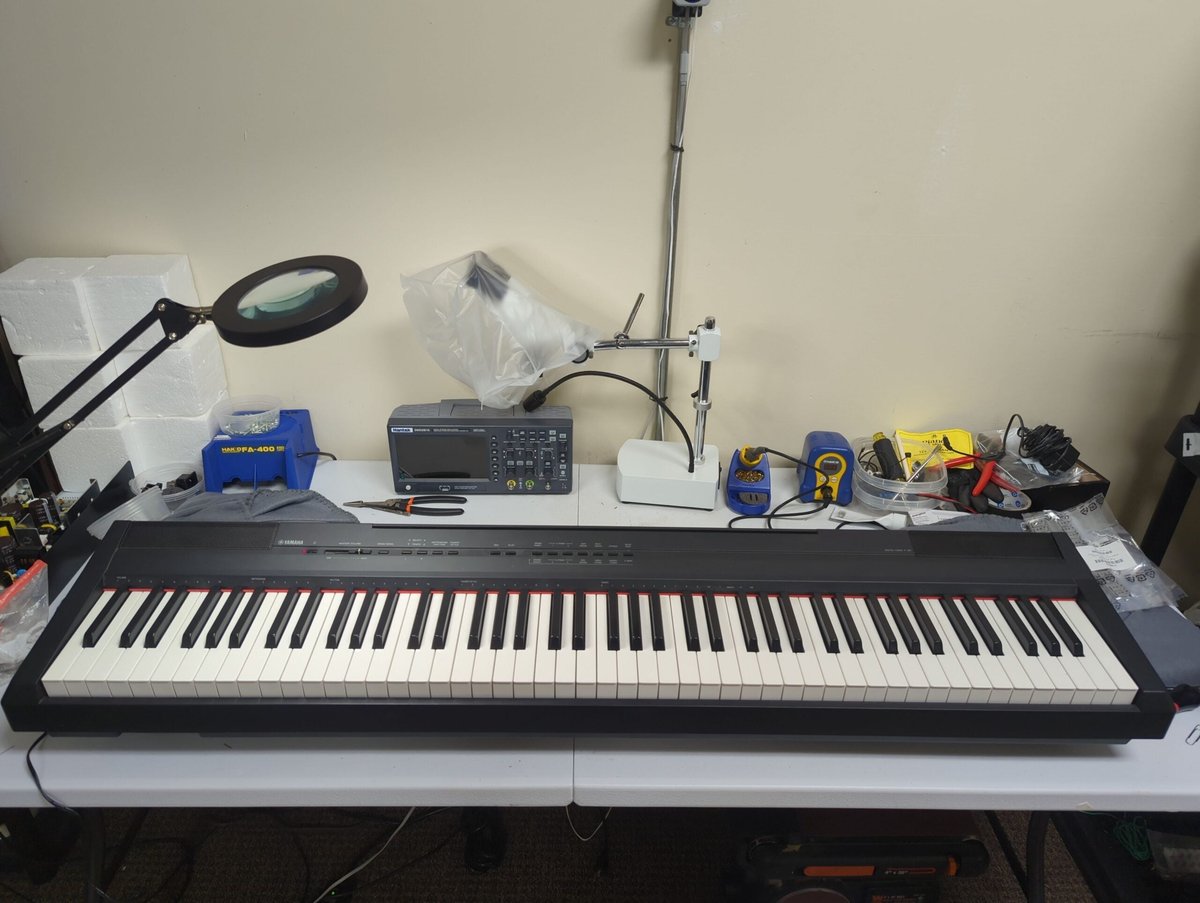
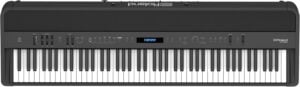
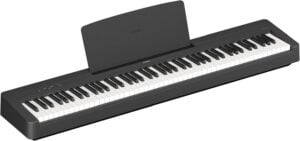
APS authorized-service brand. The Yamaha P-145BT is my usual starting recommendation for piano lessons at home. It has 88 weighted keys, built-in speakers and a headphone connection for quiet practice. If you want a straightforward piano to sit down and play, this is where I would start. Buy this for a beginner or returning player who needs a proper weighted keyboard without a large cabinet or lots of extra controls. For lessons, the keyboard, a stable stand and a comfortable sitting position matter more than a long list of sounds. Yamaha’s parts support is one reason I recommend the P-series. Being able to repair a piano later can make more sense than replacing it. That is a reason behind my recommendation, not a promise that any particular instrument will never need work. Check exactly what the seller includes. Allow for a stable stand, a bench at the right height and a suitable sustain pedal. Add headphones if you will practice quietly. Ask your teacher about the pedal setup you will need as your playing develops. The P-145BT has a connection for a compatible three-pedal unit, but check the required stand and pedal combination before ordering. A bundle is useful only if its accessories suit the way you will play. Look at the Yamaha P-225 if you need dedicated line outputs for an amplifier or PA. Try the Roland FP-30X if you prefer its keyboard feel and want its connection and pedal options. You can compare those features below, but trying the keys in person is the best way to decide which touch you prefer. The P-145BT, original P-145 and P-143 are different models. Check the complete model number in a listing, especially for a used piano or a bundle. The P-145BT’s Bluetooth audio feature lets you play music from a compatible device through the piano; it is not built-in Bluetooth MIDI. If buying used, test every key softly and firmly, repeat notes, and check the speakers, headphones and pedal. Include any missing accessories in the price before deciding it is a bargain. Compare the P-145BT and Yamaha P-225 Compare the P-145BT and Roland FP-30X Listed by the manufacturer for the US market when checked; dealer stock, finishes, bundles and regional features must be confirmed before purchase. From the service side Ownership advice — not an exact-model repair report Before buying, try every key at soft and firm touch, test the pedals and headphone sockets, and confirm the exact model and included accessories. This is an ownership checklist, not a claim that this model has a particular defect. For service questions, contact me with the model number and a description of the symptom. Manufacturer specifications unless a source states otherwise. Unknown details stay unverified. Model and finish variants may differ. Technical data checked 2026-09-22. This is an editorial buying guide, not a laboratory test or a measured reliability study. No exact-model repair is implied unless identified above.Who I would recommend it for
Budget for the whole setup
When I would consider something else
Make sure you are buying the P-145BT
My technician’s perspective
Yamaha P-145BT specifications
Related advice and repair articles
Sources and scope