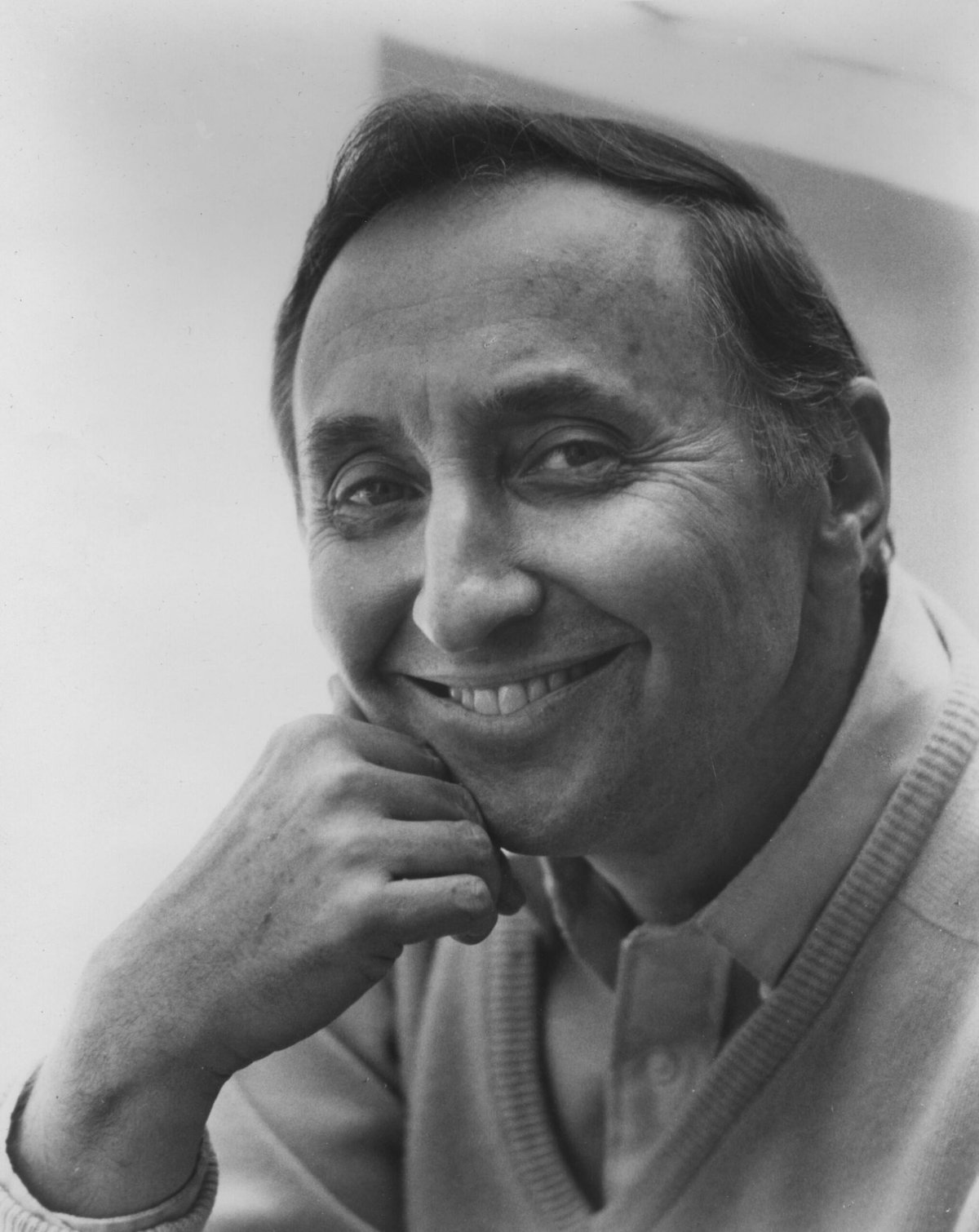
I had the honor of tuning Seymour Bernstein’s piano for several years. He shared this video with me, and I wanted to share it here with my customers, students, teachers, and anyone who loves the piano.

A Note After Seymour’s Passing
Seymour Bernstein died on April 30, 2026, at the age of 99. I am leaving this video here not only as a piece of piano advice, but also as a small tribute to a musician whose life was devoted to teaching, listening, and helping people find meaning through music.
There are many famous pianists. There are fewer people who can make you feel that the act of practicing, listening, and returning to the instrument each day is itself a deeply worthwhile life. Seymour was one of those people.
Who Was Seymour Bernstein?
Seymour Bernstein was an American pianist, composer, author, and teacher. He began teaching piano as a teenager and spent much of his life helping pianists connect technique with musical expression. Many musicians know him through his books, including With Your Own Two Hands and Twenty Lessons in Keyboard Choreography, or through Ethan Hawke’s documentary Seymour: An Introduction.
What stood out to me personally was not celebrity, but attention. Seymour listened carefully. He cared about sound, touch, intention, and the relationship between the pianist and the instrument. As a technician, that kind of listening is something I admire deeply.
What Pianists Can Take From This Video
This short New Year message is worth hearing directly from Seymour, but these are the ideas I hope pianists carry away from it.
1. Don’t wait for a resolution to become serious
New Year’s resolutions come and go. Piano progress is built from ordinary days sitting down, listening honestly, and doing the work with care. A pianist does not improve because of a dramatic declaration. A pianist improves because of repeated attention.
2. Practice with your mind, not just your fingers
Good practice is not simply repetition. It is listening, adjusting, asking questions, and noticing details. Are you forcing the sound or rushing? Are you hearing the phrase before you play it, and are you using your body efficiently? The best practice is thoughtful practice.
3. Technique should serve expression
Speed, strength, and accuracy matter, but they are not the final goal. The point is to communicate something. A pianist’s hands should serve the music, not the other way around.
4. Your instrument shapes what you hear
A piano that is badly out of tune, mechanically uneven, or difficult to control can make practice frustrating. A well-tuned and well-regulated piano gives the player better feedback. It becomes easier to hear harmony, voicing, balance, and color.
If your piano has not been tuned in a long time, start with my piano tuning FAQ. If the piano changes dramatically with the seasons, my piano humidity guide may also help.
5. Music is lifelong work
One of the most moving things about Seymour was that he never treated music as something finished. Even late in life, he spoke about music with curiosity and urgency. That is a beautiful model for students, teachers, amateurs, and professionals alike.
For Students, Teachers, and Returning Pianists
If you are just beginning piano, returning after many years, helping a child practice, or teaching professionally, Seymour’s advice is a reminder to keep the work humane. Practice should be disciplined, but not cruel. It should be honest, but not discouraging. It should ask more of us while still keeping us connected to why we loved music in the first place.
If you are looking for a teacher in Maine, I maintain a free Maine piano teacher directory. A good teacher can help you build healthy habits, choose appropriate repertoire, and hear things you might miss on your own.
A Technician’s Perspective
As a piano technician, I spend a lot of time thinking about how an instrument supports the person sitting at it. A piano does not need to be perfect to be loved. Many wonderful musical lives happen on ordinary uprights in living rooms. But the instrument should invite playing rather than fight against it.
That means stable tuning, a touch that responds predictably, pedals that work correctly, and an environment that does not constantly pull the piano out of shape. When those basics are in place, the pianist can think less about the problems and more about the music.
Seymour’s advice belongs to the musical side of piano life, but it also reminds me why the technical side matters. The goal is not merely to make a piano “correct.” The goal is to help someone sit down and listen more deeply.
Watch the Video
If you have a few minutes, watch Seymour’s message. It is brief, direct, and generous. I am grateful he shared it with me, and I am grateful to pass it along.
Watch Seymour Bernstein’s New Year advice to pianists on YouTube.